

Wix, Shopify and Squarespace are three of the biggest names in ecommerce. But choosing between them can be very tricky, especially if you’re new to store design.
So in this post, I’m going to highlight seven key areas you need to focus on when making this decision. I’ll also reveal a big limitation in one of these platforms that can seriously affect your ability to grow an online business.
Quick verdict on Wix vs Shopify vs Squarespace
Shopify is the best choice for serious ecommerce. It gives you the strongest ecommerce features, the best international selling tools, the biggest app ecosystem, and the most room to scale.
Wix is a good middle-ground option — if you want an easy-to-customize website that can handle a moderate amount of selling, it does the job nicely.
Squarespace is the strongest choice for content-led sites — particularly those involving portfolios, blogs, and membership areas — but it’s much less suitable for building online stores. This is due to its limitations when it comes to multi-currency and multilingual selling.
OK, let’s dive into the full comparison, starting with visuals.

1. Template selection
When it comes to template quantity, Wix is the clear winner — it comes with 3,000+ templates, far more than Shopify or Squarespace offer.

In terms of design quality, Squarespace arguably comes out on top, however. Its 200 or so templates look more modern and refined, and have a more distinctive feel.
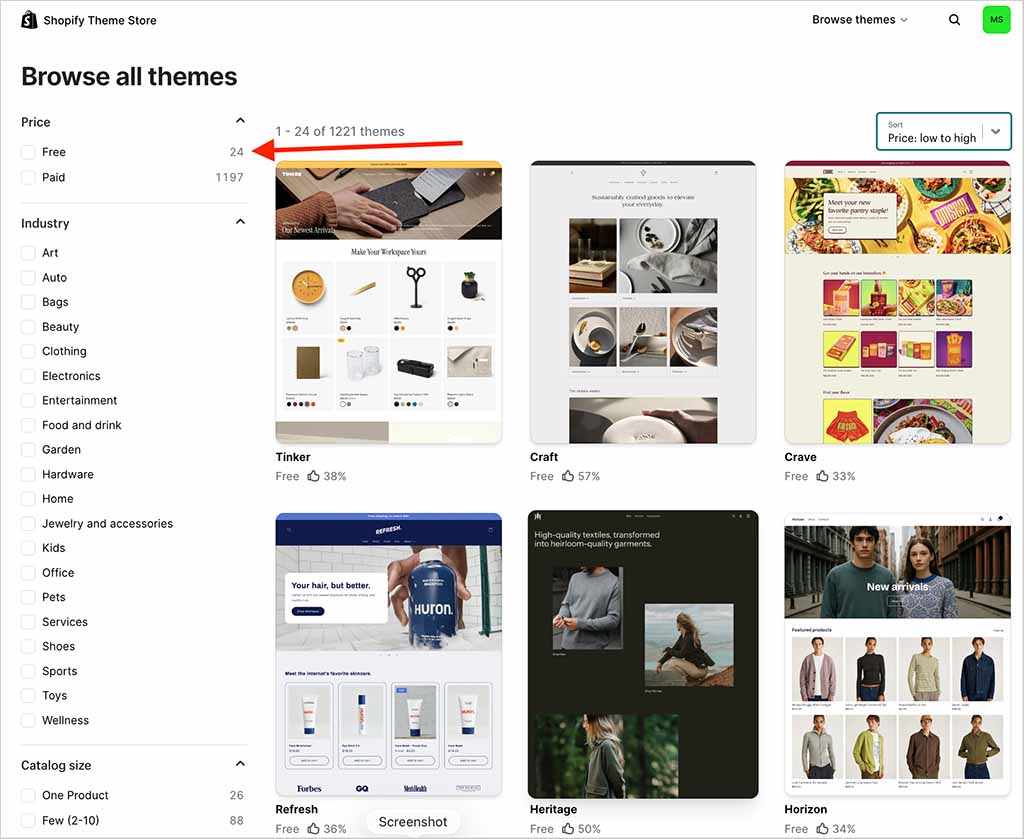
There aren’t many free Shopify templates to choose from — just 24 — but they are well-designed and load quickly. And unlike the Wix and Squarespace templates, their code can be edited — this makes it easier to customize their design in highly specific ways.
Now, there’s one thing you need to watch out for with Wix templates. Unlike Squarespace and Shopify’s “responsive” templates, which automatically adjust themselves to suit the device they’re being viewed on, many of Wix’s templates are “adaptive,” meaning that they sometimes need manual tweaks to make them look their best on mobile devices.
(That said, if you use Wix’s new “Harmony” editor, you avoid this issue).
To sum things up here, I’d say that Wix wins on choice, Squarespace on design, and Shopify on flexibility.
Related resources
You may find our guide to the best Shopify themes and our guide to the best Squarespace templates helpful.
2. Ease of use
When it comes to user-friendliness, Squarespace wins. Its interface is clean, its design tools are well thought out, and its learning curve is gentle.
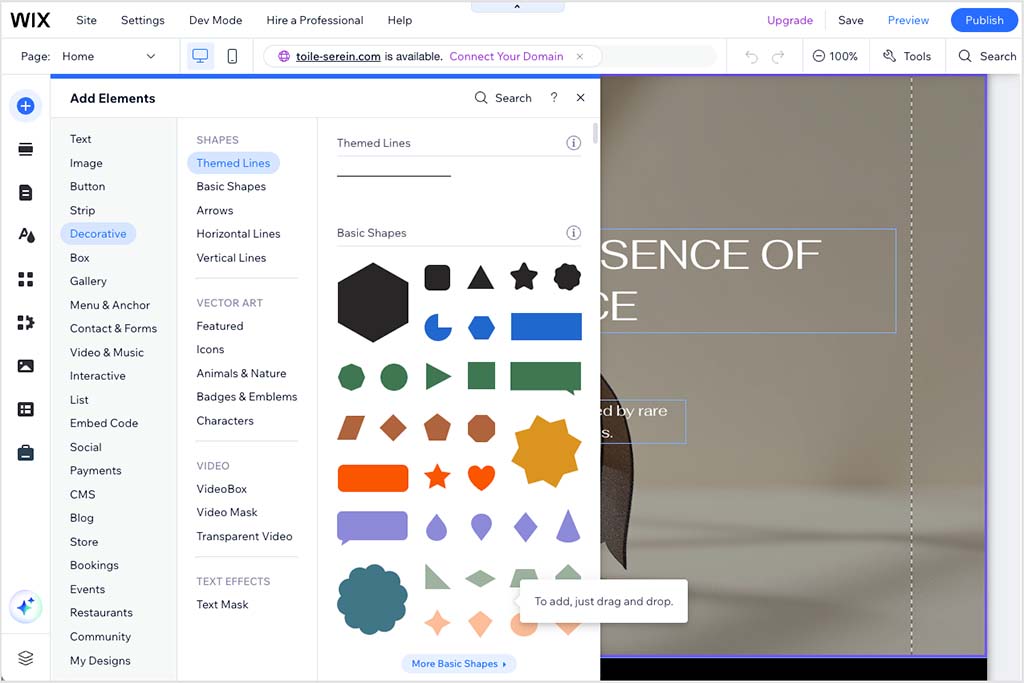
Wix is reasonably easy to use, but its drag-and-drop editor is not as intuitive or as fast as Squarespace’s.
Shopify is generally easy to use, especially where setting up products and catalogs is concerned, but it’s not as flexible as Squarespace and Wix when it comes to laying out content.
3. Ecommerce features
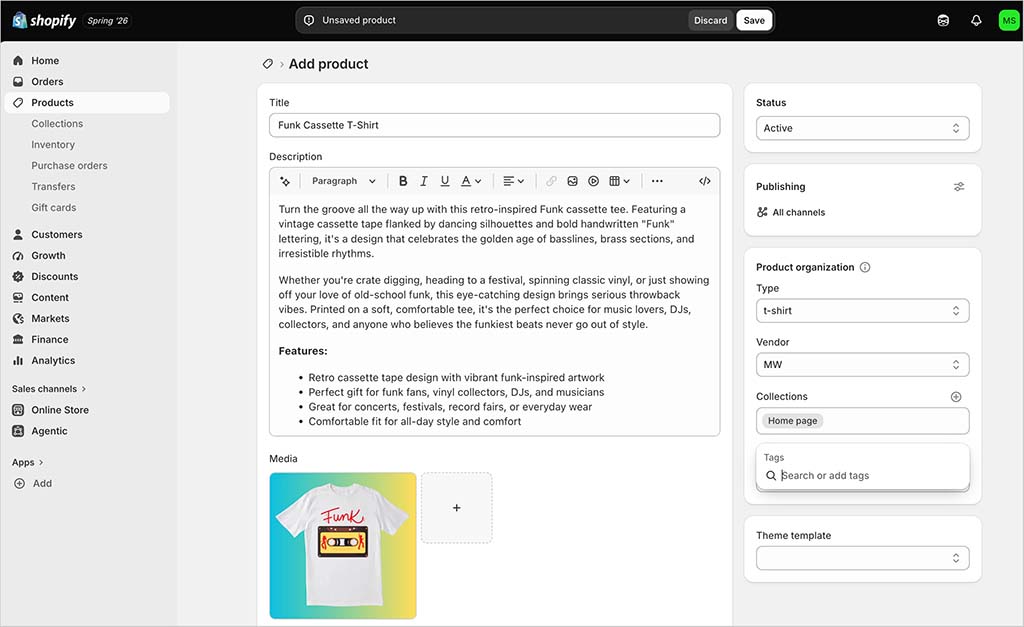
This is where Shopify beats the other two platforms hands down. It was built specifically for selling online, and this shows.
In particular it’s better for international selling. It gives you much stronger features than Wix or Squarespace for managing multiple currencies, languages, and import duties.
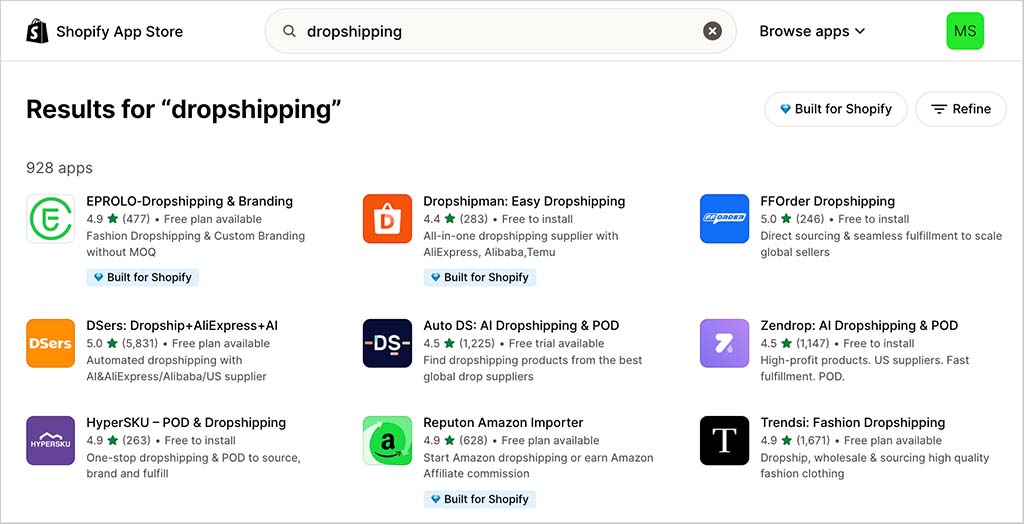
It’s also better for dropshipping and print on demand, offering integrations with far more suppliers than its rivals.
Its automatic tax calculation features are considerably better than those of Squarespace and Wix too.
Finally, Shopify’s point-of-sale features, which let you sell in physical locations, are more extensive — they work in far more countries, and support more hardware.
Overall, Wix comes second in the ecommerce department. It handles multilingual and multi-currency selling reasonably well, and is a solid choice for dropshipping too. It falls down when it comes to tax calculations, however, as it only lets you perform a small number of calculations each month on its standard plans. To do more, you’ll need to pay for a third-party service.
Now, remember I mentioned a big limitation of one of these platforms earlier? Well, that’s basically Squarespace’s lack of international selling features. It doesn’t offer multi-currency checkout, and creating a truly multilingual site requires you to pay quite a lot for the third-party Weglot service.
In short, when it comes to ecommerce, Squarespace works for simple selling only; Wix offers most of the features that mid-level merchants will need; and Shopify is definitely the best choice overall.

4. Search Engine Optimization
All three platforms are solid when it comes to SEO. They all let you edit essentials like page titles, meta descriptions, URLs, alt text and redirects — and they use fast content delivery networks to ensure fast loading times. They also generate XML sitemaps automatically.
But if you’re working with very large product catalogs, Shopify wins. Its bulk editing tools, and its more sophisticated CSV import and export system give you more control over SEO at scale. Additionally, there are a multitude of dedicated SEO apps in its large app ecosystem that can be used to optimize things further.
Related resource
Check out our simple guide to ecommerce SEO.
5. Content creation and management
If your focus is on content rather than selling, Wix and Squarespace may work better for you than Shopify. Their blogging tools, galleries, forms and general design features are more extensive and flexible out of the box.
Squarespace is particularly strong here. Its templates are designed with content firmly in mind, and this makes it a great choice for portfolio, magazine or brand-led websites.
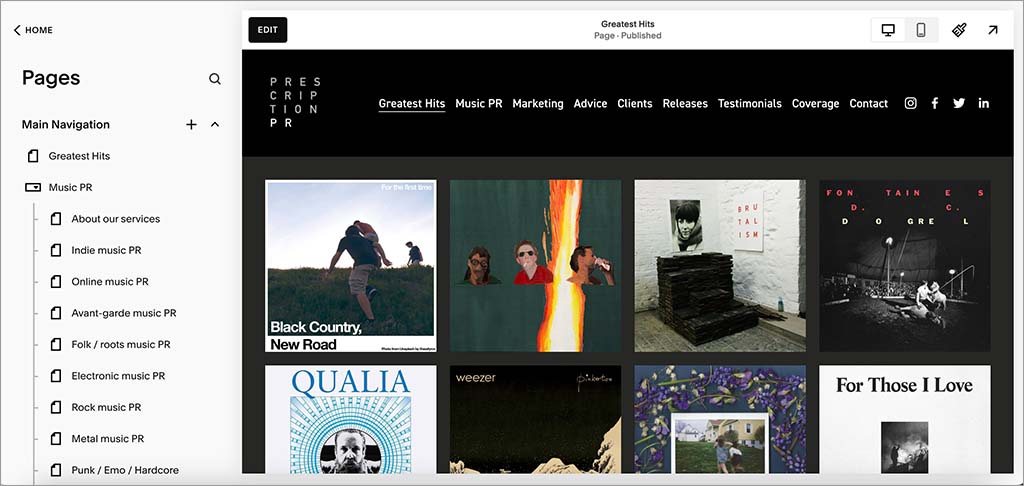
(Check out our video walkthrough of the best Squarespace templates below for a closer look at some of them.)

Squarespace is also one of the best options if you want to sell gated content. Its built-in membership tools make it extremely easy to create paywalled areas, offer online courses, or monetize blog content.

Shopify’s content management features are robust — but a bit more basic. The platform does include a fairly good blogging feature, but falls short when it comes to form building, gallery design and content paywalling. To do any of these well, you’ll usually need to invest in third-party apps.
6. AI tools
AI features are all the rage these days, and you won’t be surprised to learn that Wix, Shopify and Squarespace all provide some.
They do this to differing degrees, however.
Squarespace’s AI features are mainly focused on helping you design your store. By contrast, Wix and Shopify provide AI chatbots that help you with any aspect of it. You can use these not just for designing layouts, but to access customer details, analyze sales data, or write copy.
When it comes to agentic ecommerce — where tools like Gemini or ChatGPT find and buy products for users — Shopify leads the pack. It has helped shape emerging standards like Google’s Universal Commerce Protocol, and provides more accessible data feeds for AI tools to use.

7. Scalability
So far we’ve looked at features — but which platform helps you build the biggest business?
Well, overall, Shopify is the clear winner here.
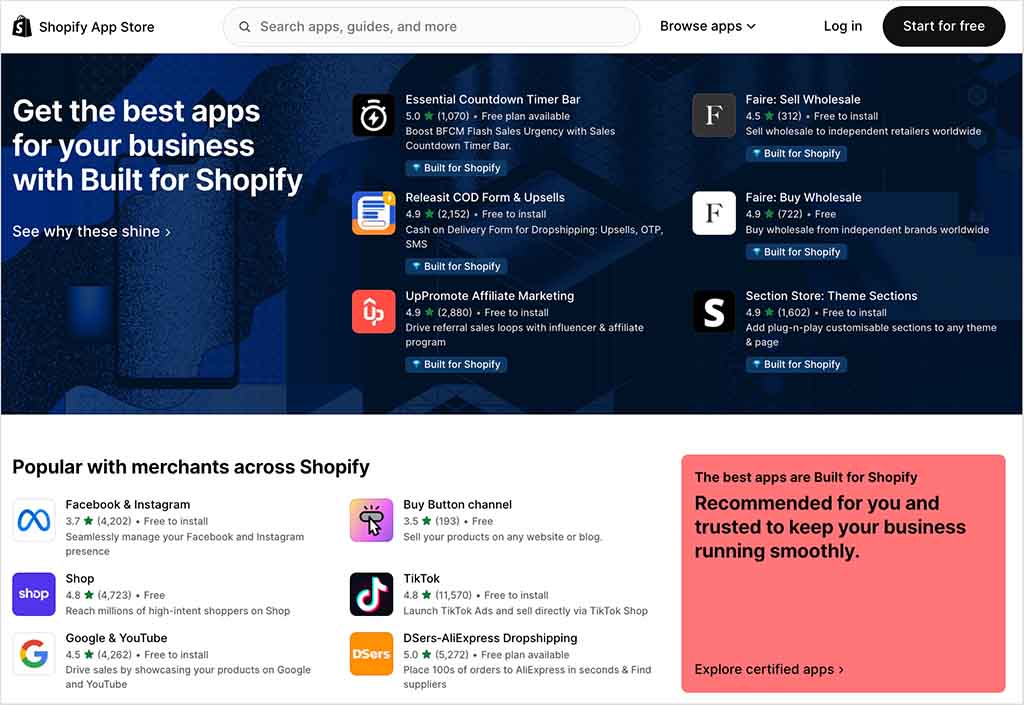
First, it offers a much bigger apps and integration ecosystem than Wix or Squarespace, making it easy to extend your store’s functionality, or connect it to third-party services.
Second, its excellent international selling tools make expanding into new markets much easier than its competitors.
And third, it provides an enterprise-level option — Shopify Plus — that provides advanced features like multi-store management, enhanced security, and greater API access.
Wix and Squarespace do offer premium plans too, but they’re much less powerful than Shopify Plus, particularly where ecommerce is concerned.
Verdict
If you’re building a content-driven site — involving a blog, portfolio, or gallery — Wix and Squarespace are both strong options, with Squarespace providing stronger aesthetics, and Wix being a better choice if you need to do some simple selling on the side.
But if you’re serious about ecommerce, Shopify is the clear winner. Its ecommerce features are simply far more advanced than those of Wix and Squarespace — especially for international selling, dropshipping and point of sale.
FAQs about Wix, Shopify and Squarespace
Which is best for ecommerce: Wix, Shopify or Squarespace?
For most serious ecommerce projects, Shopify is the best choice. It gives you the strongest selling tools, the best international ecommerce features, and the biggest app ecosystem. Wix is a good option for smaller stores or businesses that need a flexible website with some ecommerce features built in. Squarespace is best suited to content-led websites that only need simple selling tools.
Is Shopify better than Wix and Squarespace?
Shopify is better than Wix and Squarespace if your main goal is to build and grow an online store. It offers stronger tools for managing products, taking payments, selling internationally, dropshipping, print on demand and point of sale. However, Wix and Squarespace can be better choices if your priority is building a visually impressive content site, portfolio or blog.
Is Wix good for ecommerce?
Broadly speaking, yes — Wix is a solid ecommerce platform for small to medium-sized stores. It gives you a wide range of templates, flexible design tools, multilingual selling features and useful ecommerce apps. However, it’s not as powerful as Shopify when it comes to scaling a store, managing large product catalogs, handling advanced tax requirements or selling internationally.
Is Squarespace good for selling online?
Squarespace is fine for simple selling. If you only need to sell a small number of products alongside a blog, portfolio or content-led website, it’s a good option. But it’s not the strongest choice for more serious ecommerce projects. Its main limitations involve international selling — it lacks a multi-currency checkout system and relies on third-party tools for creating truly multilingual websites.
Which platform is easiest to use: Wix, Shopify or Squarespace?
Squarespace is arguably the easiest platform to use overall, thanks to its clean interface and well-designed content tools. Wix is fairly user-friendly, but its editor can feel a bit more fiddly. Shopify is very user-friendly when it comes to adding products and managing orders, but its general site editing features aren’t as intuitive as they could be.
Related resources

Chris Singleton is the Founder and Director of Ecommercetrix.
Since graduating from Trinity College Dublin in 1999, Chris has advised many businesses on how to grow their operations via a strong online presence, and now he shares his experience and expertise through his articles on the Ecommercetrix website.
Chris started his career as a data analyst for Irish marketing company Precision Marketing Information; since then he has worked on digital projects for a wide range of well-known organizations including Cancer Research UK, Hackney Council, Data Ireland, and Prescription PR. He then went on to found the popular business apps review site Style Factory, followed by Ecommercetrix.
He is also the author of a book on SEO for beginners, Super Simple SEO.