

My quick verdict
Shopify is the better choice for most merchants. It gives you better templates, stronger international selling and POS features, more useful marketing tools, and a vastly larger app ecosystem. Its huge user base also makes it the safer long-term choice.
BigCommerce is worth considering if you have certain specialized requirements. It’s better value than Shopify for running multiple storefronts, and it can be a stronger choice for creating complex products or building advanced headless-commerce setups.
But for most ecommerce projects, Shopify is the more powerful and versatile all-around option.
BigCommerce or Shopify — which is better for building an online store?
At first glance, these two solutions look very similar. Their main plans even cost the same. But there are major differences between them — especially where international selling, product configuration, apps, and running multiple stores are concerned.
So in this post, I’m going to compare Shopify and BigCommerce in nine key areas and help you choose the right platform. I’m also going to highlight one overlooked aspect of both platforms that may possibly be the most significant for you.
OK, let’s dive in.
1. Ease of use
Shopify’s interface is a bit more contemporary and user friendly than BigCommerce’s — especially where product management is concerned.
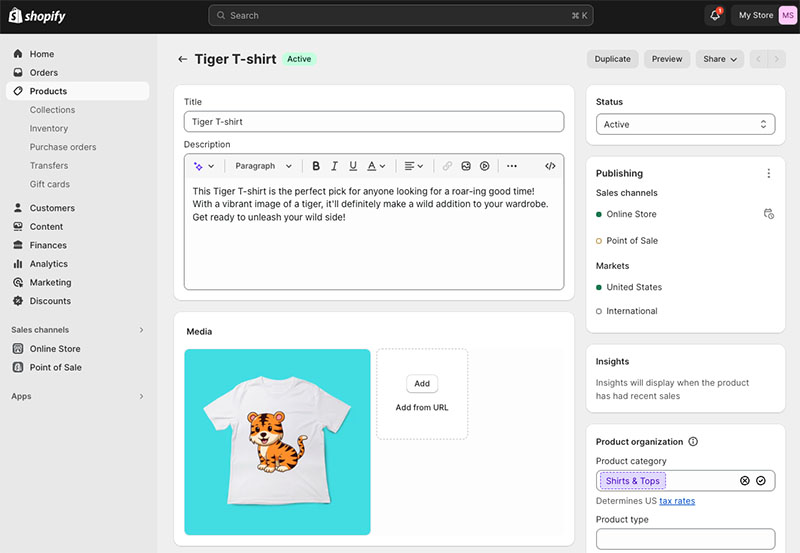
However, its drag-and-drop editor can be a bit confusing because, the home page aside, it’s not actually used for editing page content. Instead, you use it to edit template designs, which you then have to apply to individual pages.
(And I was surprised to discover that these pages have to be created using a rather old-fashioned WYSIWYG text editor.)
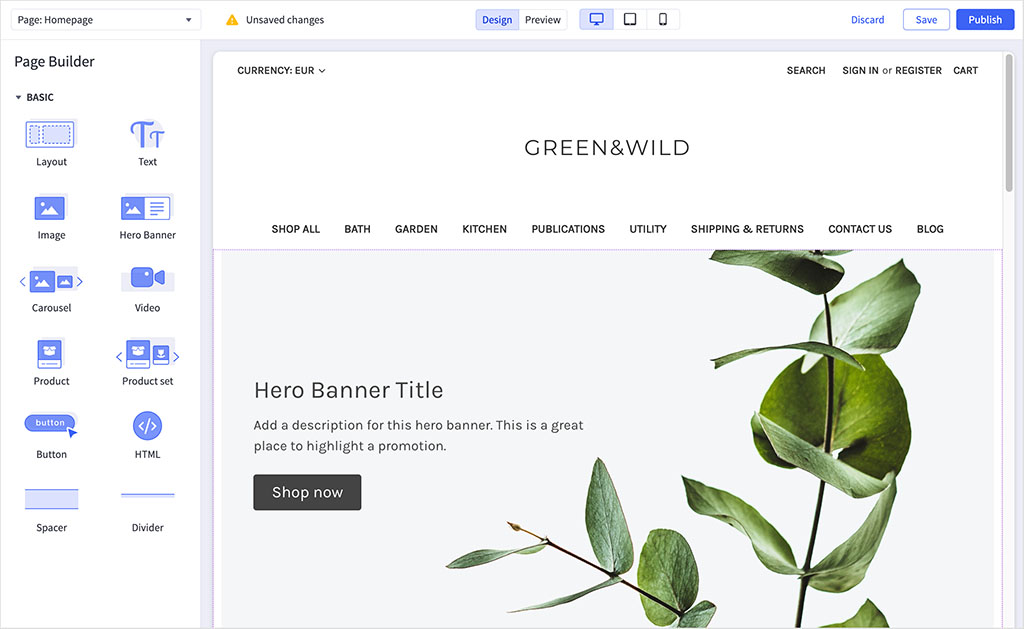
BigCommerce’s drag-and-drop editor is less polished and clunkier than Shopify’s, but it does let you edit page content directly.
So overall, I’d say it’s a bit of a draw when it comes to ease of use.
2. Templates and design
Shopify gives you 24 free themes — double the number available from BigCommerce. And Shopify’s themes are much more distinct from one another than BigCommerce’s.
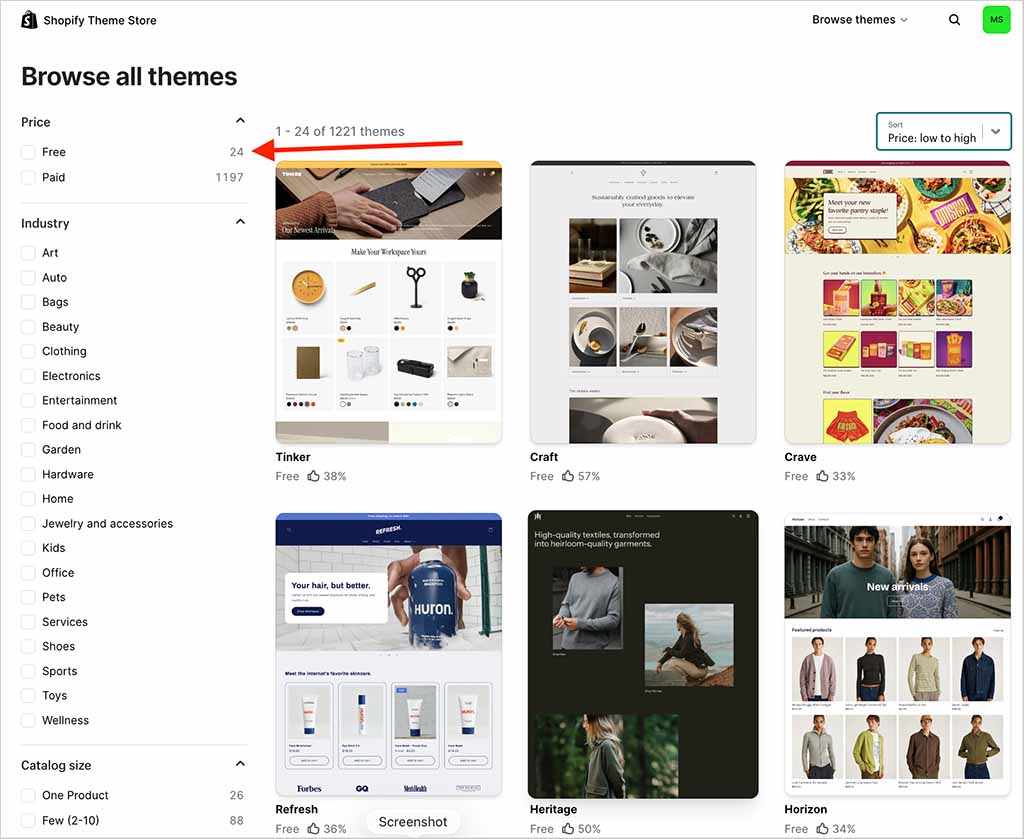
When browsing throught them, it became clear to me pretty quickly that BigCommerce themes are essentially variations of the same design — with different colors applied (see my screenshots below).
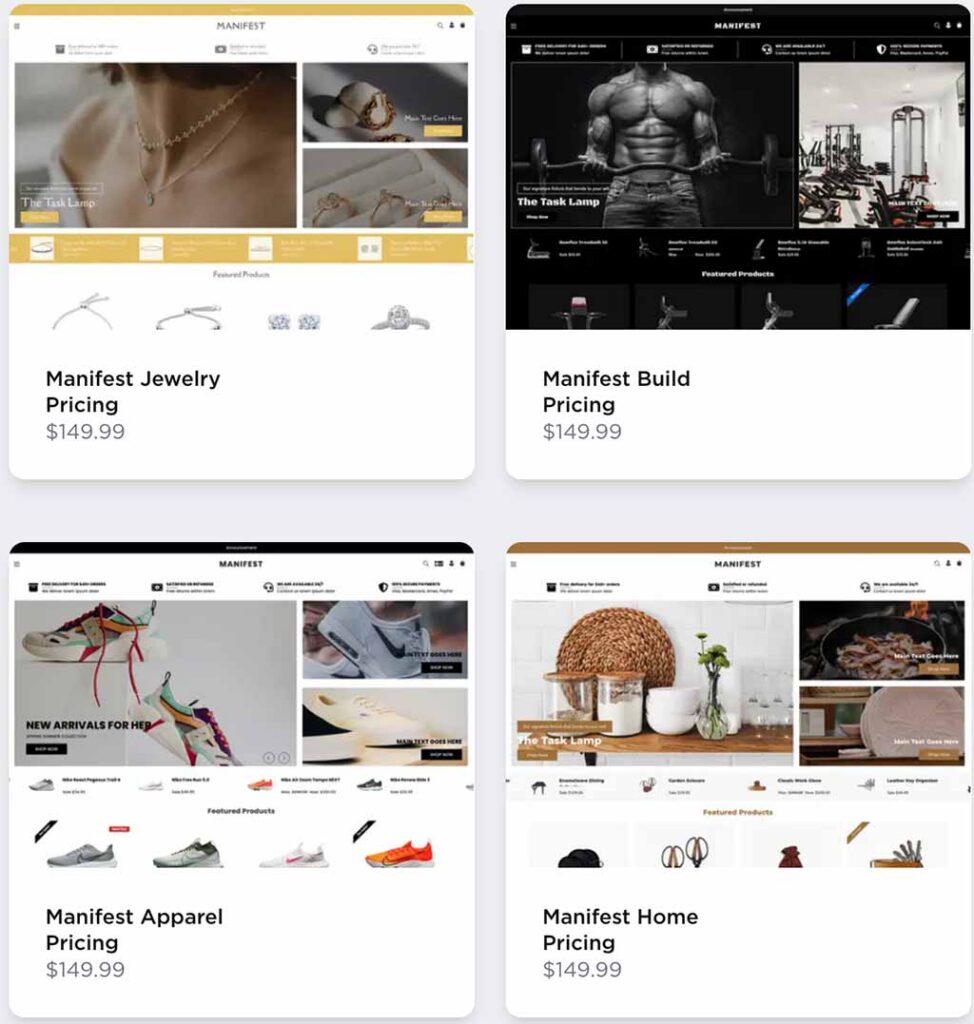
When it comes to paid themes, Shopify again offers more choice. It offers over 1,000 premium themes, while BigCommerce provides just over 200.
Shopify also provides more fonts and content block types within its templates. So overall, I think it’s a comfortable win for Shopify when it comes to themes.
3. Product management
Shopify makes organizing large catalogs easier than BigCommerce. Its “smart collections” let you automatically group products according to rules you define. These can be based on tags, prices, stock levels, vendors, and other attributes.
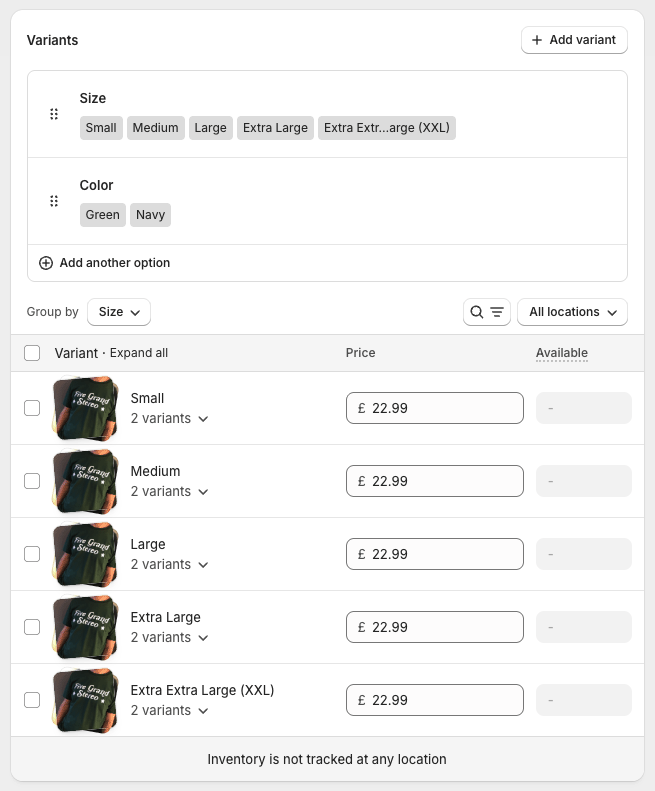
BigCommerce is more generous when it comes to product options, however.
While Shopify lets you create just three option types per product — for example, variants covering size, color, or material — BigCommerce lets you create up to 250.
And unlike Shopify, BigCommerce lets you capture custom text at checkout easily, and lets visitors upload files to your store. This is handy if you’re selling personalized products. With Shopify you’ll generally need to buy an app to access this functionality.
On the other hand, Shopify supports up to 2,048 variants per product, compared with 600 on BigCommerce.
Ultimately it’s fair to say that Shopify is better for organizing big catalogs, while BigCommerce is stronger for creating complex products out of the box.
4. Core selling features
Both platforms give you strong inventory, shipping, tax, discounting, and reporting tools. But Shopify has the edge in several important areas.
First, its abandoned-cart recovery tools are considerably easier to use and much more flexible than BigCommerce’s. They’re available on Shopify’s entry-level “Basic” plan too, while BigCommerce restricts this functionality to more expensive plans.
Shopify is also better for in-person selling. It gives you access to an excellent built-in POS system on all plans, and lets you sell using its own hardware too.
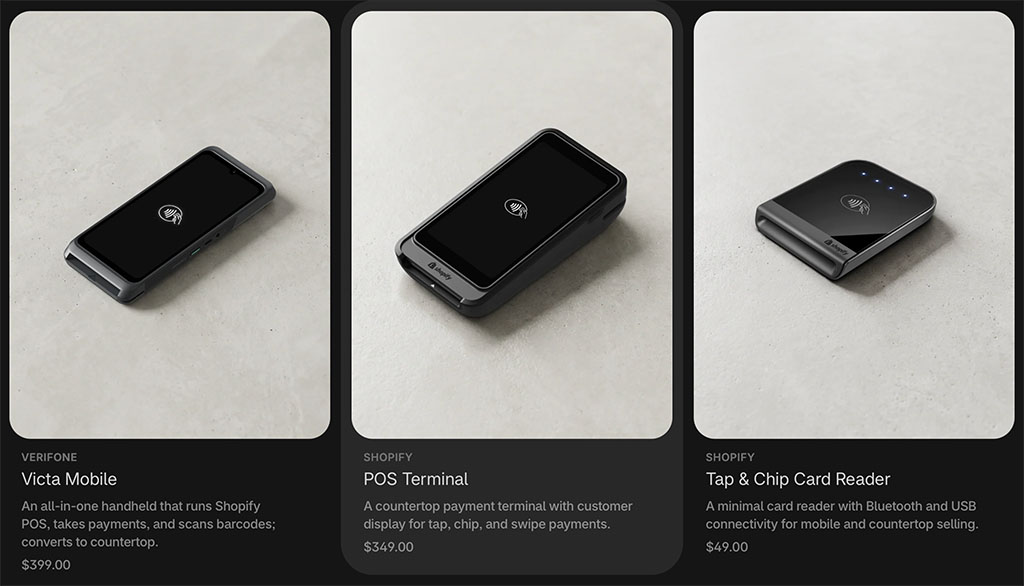
BigCommerce can handle in-person selling too, but only if you connect a third-party POS system to it. This means more costs and more configuration time.
On the plus side, it’s easier to avoid transaction fees with BigCommerce — it lets you use a lot of payment gateways without additional charges being applied. With Shopify, you can only avoid transaction fees if you use its own payment gateway, Shopify Payments.
5. International selling
International selling is an area where Shopify comprehensively beats BigCommerce.
Its “Markets” feature lets you manage currencies, languages, domains, and regional pricing all in one place. You can create up to 50 markets on a standard plan, and these let you set different product prices for different countries.
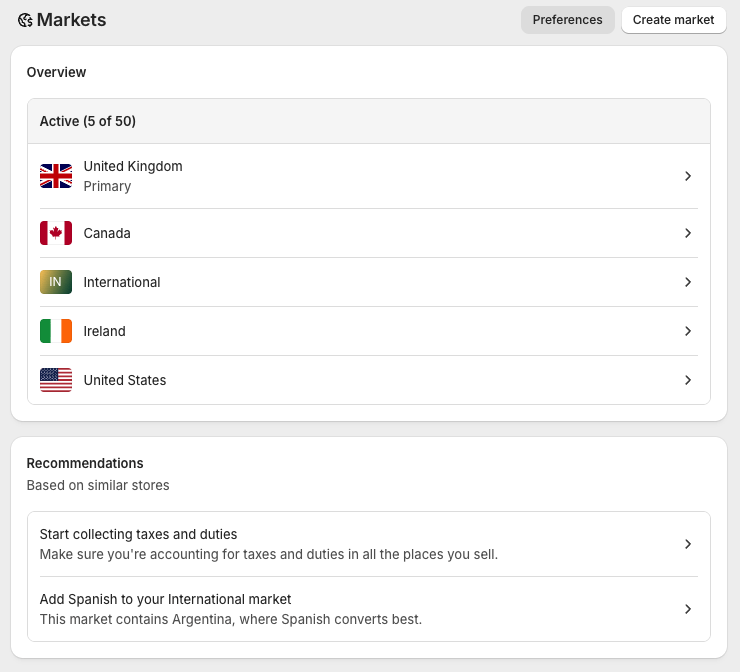
BigCommerce supports multi-currency selling too, but country-specific pricing is generally restricted to its enterprise offering.
Shopify also lets you translate a store into up to 20 languages on most plans. To do this with BigCommerce, you’ll have to pay for a third-party translation app like Weglot.
So if you expect to sell extensively across borders, Shopify is much easier — and usually cheaper — to configure.
6. Apps, marketing, and AI
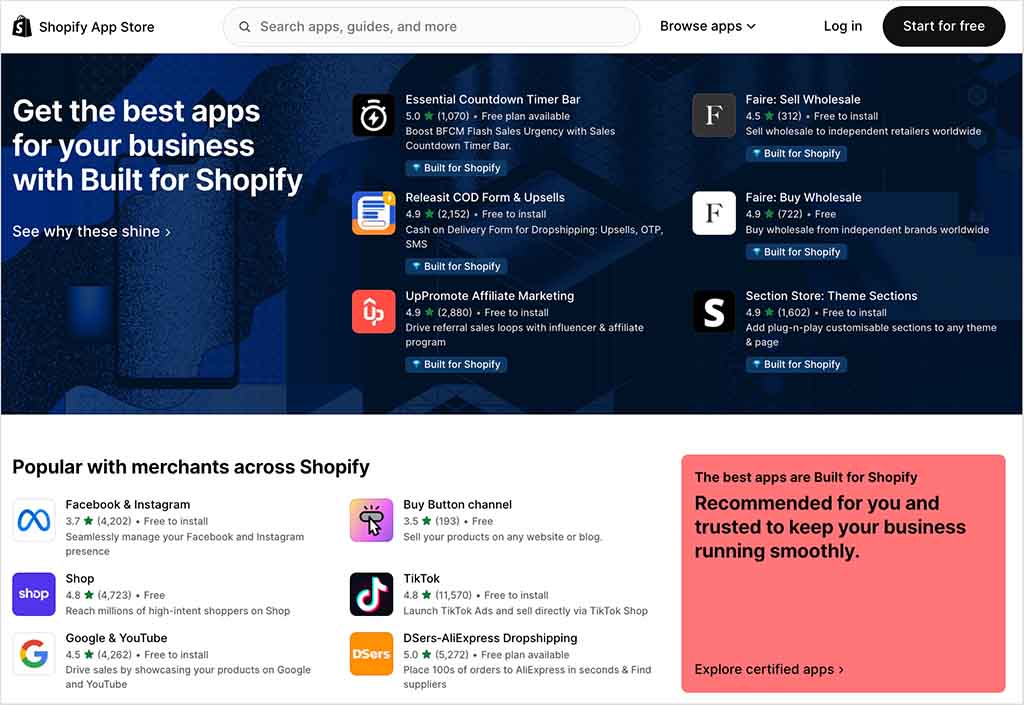
The Shopify App Store contains around 21,000 apps, while the BigCommerce equivalent offers just 1,300. This much larger selection makes it easier to connect Shopify to other tools or add new functionality to your store. It also makes Shopify the better choice for dropshipping, thanks to the huge range of product-sourcing and supplier integrations available for it.
When it comes to marketing, it’s a clear win for Shopify — unlike BigCommerce, it provides sophisticated email marketing features, via its free “Shopify Messaging” app. This lets you send up to 10,000 emails per month at no charge, and create automated customer journeys.
Both platforms provide AI tools, but they work differently. Shopify’s “Sidekick” feature acts as a general assistant across your store, while BigCommerce’s BigAI feature focuses more specifically on product content, search, recommendations, and analytics. Shopify’s Sidekick is arguably the more useful tool for most merchants, because it can help with almost every operational area of your store.
7. SEO
Both Shopify and BigCommerce give you the essential tools you need to optimize a store for search engines. They both let you edit page titles and meta descriptions, create redirects, and both platforms generate XML sitemaps automatically. And both platforms use content delivery networks (CDNs) to ensure that sites built with them load quickly.
So essentially, BigCommerce and Shopify are quite evenly matched in the SEO department.
BigCommerce has an advantage when it comes to URL structure, however. It gives you more control over how your URLs are formatted, while Shopify uses fixed paths such as /products/ and /collections/ that can’t be removed or changed.
I’ve always found Shopify to be stronger for international SEO, though. Its Markets features can create localized URLs and automatically add the appropriate hreflang tags; its sitemaps also include market-specific URLs. This makes optimizing an international store for search engines considerably easier.

8. Pricing and scalability
Both platforms charge the same for their main plans ($39, $105, and $399 for their entry-level, mid-tier and premium offerings respectively). But there are two big differences to watch out for.
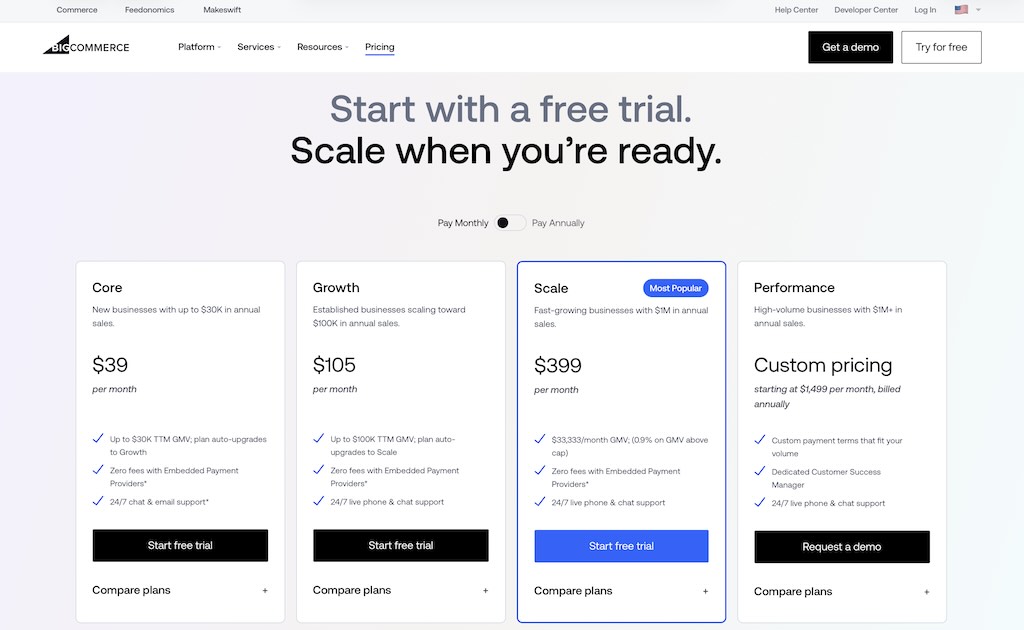
First, unlike Shopify, BigCommerce applies sales limits. Once your revenue passes the annual limit for your plan, you have to upgrade to a more expensive one.
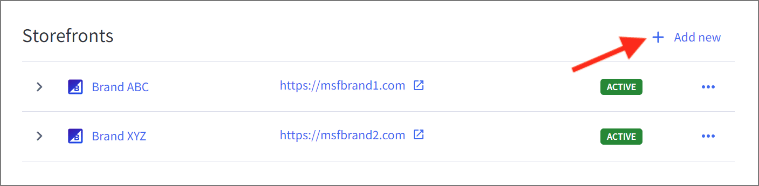
Second, BigCommerce is better for running multiple storefronts.
Its regular plans let you manage three, five, or eight stores, with a modest extra charge being applied for each one. With Shopify, multi-store management requires Shopify Plus, which costs a minimum of $2,300 per month.
BigCommerce can also be the better option for advanced headless-commerce projects, thanks to its more open architecture and flexible approach to API access.
9. User base size
Remember how I said there’s a significant difference between BigCommerce and Shopify that isn’t often mentioned in comparisons? Well, that’s user base size.
While millions of stores are powered by Shopify, estimates indicate that BigCommerce only powers around 36,000. This makes Shopify the safer long-term choice — particularly when it comes to ongoing platform development, app availability, and access to support. If you have big ambitions for an ecommerce project, this is something that shouldn’t be overlooked.
User ratings and reviews
So far in this BigCommerce vs Shopify comparison, you’ve heard my thoughts on the two platforms. But what do users think? To help you get a sense of this, I collated data on the two platforms from popular review sites. The table below highlights my findings:
| Review site | BigCommerce ratings (out of 5) | Shopify ratings (out of 5) |
| Capterra | 4.4 (340 reviews) | 4.5 (6,701 reviews) |
| G2 | 4.2 (581 reviews) | 4.4 (6,564 reviews) |
| TrustRadius | 3.9 (704 reviews) | 4.4 (7,036 reviews) |
| Average user rating | 4.2 | 4.4 |
BigCommerce vs Shopify: verdict
For most merchants, Shopify is the better choice.
It gives you better templates, stronger international selling tools, superior point-of-sale features, built-in email marketing, and a vastly larger selection of apps. Its huge user base also makes it the safer long-term option.
That said, BigCommerce does have some advantages over Shopify. If you need to run several storefronts without paying thousands of dollars for an enterprise plan, it’s definitely worth considering. It can work out better if you need a very flexible headless setup too.
If you’d like to check either platform out, you’ll find links to both platforms’ trials below:
Key alternatives to BigCommerce and Shopify
The main alternatives to Shopify and BigCommerce include Wix, Squarespace, and WooCommerce. Wix and Squarespace are particularly good options for smaller businesses that want an easy way to build an attractive website as well as sell online.
Squarespace and Wix are generally simpler to use than BigCommerce, and their content-management and design tools are particularly strong. However, their ecommerce features are less sophisticated than Shopify’s and BigCommerce’s, so larger or more complex stores may find them limiting.
WooCommerce is a stronger alternative for merchants who want maximum control over their store. It’s an open-source ecommerce plugin for WordPress, so it gives you considerably more flexibility over how your site works and where it is hosted. The trade-off is that there’s more setup and maintenance involved — you’ll typically need to arrange hosting, security, updates, and plugins yourself. For merchants who want a fully hosted, low-maintenance solution, Shopify or BigCommerce will usually be easier options.

BigCommerce vs Shopify FAQs
Which is better overall, Shopify or BigCommerce?
Shopify is the better choice for most merchants. It offers better templates, stronger international selling and point-of-sale features, more built-in marketing tools, and a much larger app ecosystem. BigCommerce can work better however for merchants who need affordable access to multi-storefront selling or headless commmerce.
Is BigCommerce better than Shopify for large businesses?
It can be, depending on the business. BigCommerce is attractive for companies that need multiple storefronts, complex product configurations, or advanced headless-commerce setups. However, Shopify’s larger ecosystem, extensive app selection, and international selling tools make it a strong option for large businesses too.
Which is better for international selling, Shopify or BigCommerce?
Shopify is considerably better for international selling. Its Shopify Markets feature provides centralized tools for managing currencies, languages, domains, regional pricing, and localized URLs. BigCommerce supports international selling too, but some comparable functionality requires third-party apps or an enterprise plan.
Which is better for SEO, Shopify or BigCommerce?
Shopify and BigCommerce are both good for SEO. Both platforms let you edit key SEO settings, create redirects, and generate XML sitemaps automatically. BigCommerce gives you more control over URL structure, while Shopify is better for international SEO (thanks to its “Markets” and hreflang features).
Is BigCommerce better than Shopify for complex products?
BigCommerce can be better for creating complex or highly customizable products. It supports up to 250 product options out of the box (Shopify lets you work with just three) and makes it easier to collect custom text and file uploads from customers without installing additional apps. Shopify supports more variants per individual product, however, and lets you install apps that remove product and variant limits entirely.
Which has more apps, Shopify or BigCommerce?
Shopify has a much larger app ecosystem. Its app store contains around 21,000 apps, while BigCommerce’s contains around 1,300. This gives Shopify merchants considerably more options when it comes to adding functionality to their store or connecting it to third-party services.
Which is better for running multiple online stores, Shopify or BigCommerce?
BigCommerce is generally better value for running multiple storefronts. Its standard plans let you manage several stores (with each extra store involving a modest additional fee). With Shopify, advanced multi-store management involves paying for an expensive Shopify Plus plan.
Is it easy to switch from BigCommerce to Shopify or vice versa?
Moving between BigCommerce and Shopify is possible, but it usually involves migrating products, customers, orders, images, and other store data. The difficulty depends on the size and complexity of your store, and some design elements, apps, and custom functionality may need to be recreated manually.
Related resources

Chris Singleton is the Founder and Director of Ecommercetrix.
Since graduating from Trinity College Dublin in 1999, Chris has advised many businesses on how to grow their operations via a strong online presence, and now he shares his experience and expertise through his articles on the Ecommercetrix website.
Chris started his career as a data analyst for Irish marketing company Precision Marketing Information; since then he has worked on digital projects for a wide range of well-known organizations including Cancer Research UK, Hackney Council, Data Ireland, and Prescription PR. He then went on to found the popular business apps review site Style Factory, followed by Ecommercetrix.
He is also the author of a book on SEO for beginners, Super Simple SEO.