

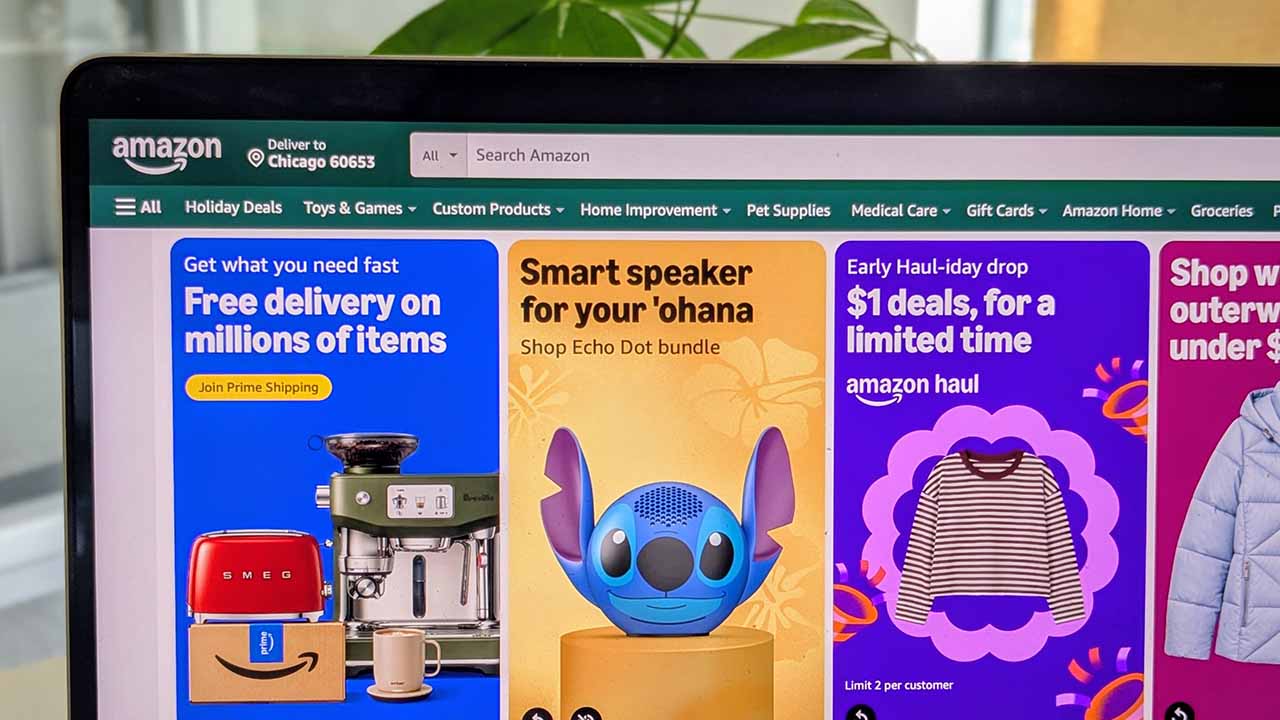
Amazon has been exploring plans to build a comprehensive database of products sold around the world — including those it doesn’t sell itself — in a move that could significantly expand its role in online product discovery.
In an exclusive report published on November 13, Reuters revealed details of an initiative known internally as ‘World Product Graph,’ based on an internal Amazon planning document and interviews with people familiar with the project.
The initiative would involve collecting product information directly from brands and retailers, as well as crawling third-party ecommerce websites.
According to Reuters, the document identifies Coca-Cola and Bayer as product data contributors and details discussions with Procter & Gamble about a trial.
The proposed database could help Amazon deliver more accurate product comparisons and personalized recommendations, while reducing the cost of operating its AI-powered shopping assistant, Alexa for Shopping (formerly known as Rufus).
However, Amazon has described the document as outdated, telling Reuters that it “doesn’t necessarily reflect our current plans.” No launch has been confirmed.
Competing with Google for product discovery
Although Amazon is already a major destination for online shopping, Google remains a more popular starting point for product research.
According to 2025 Morgan Stanley research cited by Reuters, 57% of online shoppers begin their product research on Google, compared with 16% on Amazon.
The picture changes, however, when shoppers know exactly what they want to buy: 41% start their search on Amazon, compared with 23% on Google and 18% on Walmart.
A more comprehensive product database could help Amazon attract shoppers earlier in the buying process — when they’re still researching products, comparing specifications and evaluating alternatives.
Reuters also reports that the initiative could help Amazon counter competition from third-party AI shopping assistants and protect its advertising business.
Bringing independent online stores into Amazon’s shopping ecosystem
While the future of World Product Graph remains uncertain, Amazon is already taking steps to incorporate products from independent online stores into its shopping experience.
On November 4, the company announced the launch of its Shop Direct Merchant Workspace, a free self-service portal that enables eligible retailers to connect their existing product catalogs to Amazon.
Products submitted through the portal can appear in Amazon’s search results and its AI shopping assistant, even if they aren’t sold on Amazon’s marketplace.
Shoppers can follow a link to the retailer’s website or, for eligible products, use Amazon’s ‘Buy for Me’ feature, which uses AI to complete purchases on their behalf.

Retailers can choose which products to include in the program and retain responsibility for pricing, inventory, shipping, returns and customer service.
Merchants can also reuse product feeds they’ve already created for other shopping platforms, reducing the technical work involved in getting their products listed.
According to Amazon, tens of millions of customers have discovered hundreds of millions of products from external online stores through Shop Direct since its introduction in 2025.
The service is currently available to US shoppers.
Why this matters to ecommerce merchants
Perhaps the most significant aspect of Amazon’s evolving ecommerce strategy is that the company no longer needs to sell a product itself to play a central role in its purchase. As competition between Amazon, Google and emerging AI shopping platforms intensifies, independent retailers could find themselves with more opportunities to reach new customers — potentially reducing their reliance on paid advertising and traditional search engine traffic.
However, there are risks associated with this shift. If consumers increasingly outsource purchasing decisions to AI shopping assistants, merchants may have fewer opportunities to differentiate themselves through website design, brand storytelling and personalized shopping experiences. And as technology companies gain greater influence over which products consumers discover, retailers could find themselves increasingly exposed to changes in third-party algorithms, commercial terms and platform policies.
From a strategic perspective, this means that ecommerce businesses will need to think beyond optimizing their own websites for sales. Investing in high-quality product data, building a recognizable brand, cultivating positive customer reviews and diversifying customer acquisition channels could become just as important as traditional conversion optimization.
Get ecommerce news you can use
Sign up below and we’ll send you email digests of all the latest news and developments in the world of ecommerce, tips on how to grow an online business, and special offers.

Matt Walsh is the Head of Content at Ecommercetrix. He also creates video content for the site and its associated YouTube channel.
Having gained a degree in Literature and Philosophy from Trinity College Dublin and an MA in International Relations from Dublin City University, Matt worked in the marketing world for a decade before taking up an education role — teaching languages, literature and creative writing in London.
Matt is an Adobe Certified Associate in Photoshop and Illustrator, and also holds a certificate in digital marketing from DMI (Digital Marketing Institute), along with a postgraduate certificate in Design Thinking, Innovation, Entrepreneurship and Creative Thinking from Trinity College Dublin.