

WooCommerce and Shopify are two of the biggest names in ecommerce, but which one is right for you? In this comparison, I’m going to help you find out. I’m going to highlight both platforms’ key pros and cons — and reveal the single factor that will probably decide which one is right for you.
My quick verdict on WooCommerce vs Shopify
WooCommerce is ideal if you need deep customization, full control over your setup and powerful content marketing capabilities. And, so long as you’re smart with your setup, its free, open-source nature can help you keep costs down. However, using WooCommerce requires an existing WordPress site, involves more technical work than Shopify, and forces you to take considerable responsibility over site maintenance and security.
Shopify, by contrast, is a more “out-of-the box affair”. It takes care of hosting, security and maintenance for you, while still offering the infrastructure and professional features needed to grow a serious ecommerce business. It’s certainly the better option for beginners, but can be used to power enterprise-grade stores too.
Let’s start the full comparison with a look at the key difference between WooCommerce and Shopify.
The key difference between WooCommerce and Shopify
WooCommerce is a plugin for WordPress. To use it, you’ll need an existing WordPress website — either one that you’ve installed on your own hosting, or a ‘pay-as-you-go’ WordPress setup that you’ve bought via WordPress.com.
Shopify, by contrast, is a “fully hosted” store builder. You don’t have to install any software or buy any hosting to use it. The key things you need — hosting, themes, content management system, etc. — are all provided “out of the box”.
Now, both approaches to store building have their pros and cons — I’ll take you through these now.
Reasons to use WooCommerce over Shopify
1. WooCommerce can be used for free
WooCommerce is an open source tool that can be installed for free. Now, there is a catch here of course — as I just mentioned, WooCommerce can only be used on a WordPress site, and using WordPress involves hosting fees or a subscription.
If you’re smart about things, however, and source a competitively priced hosting package, these can be a lot less than the cost of a Shopify plan.
2. You can build any kind of store you like with WooCommerce
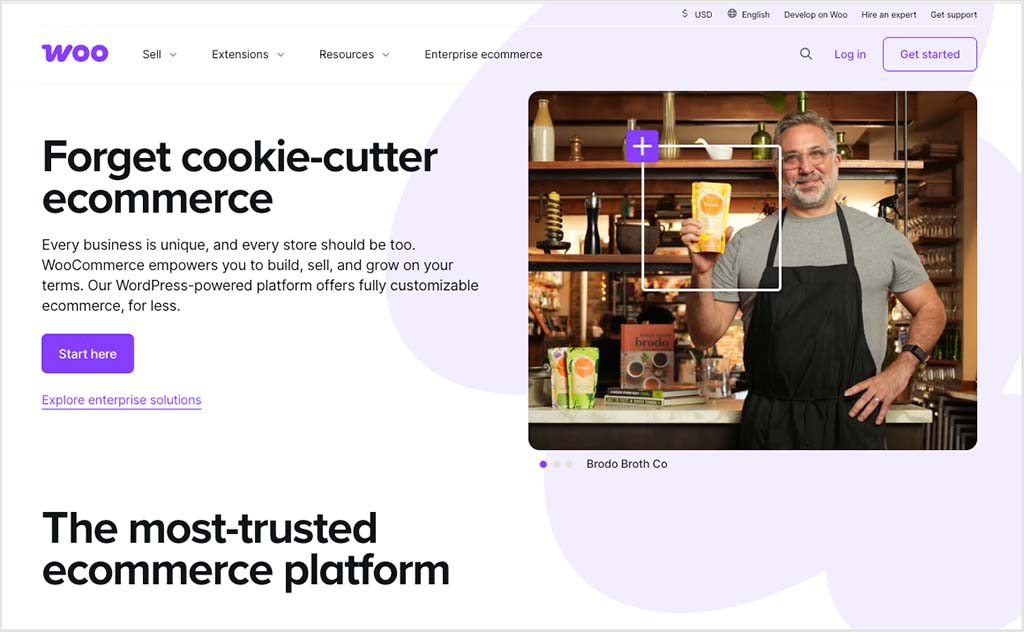
Because WordPress and WooCommerce are open source tools, you can build pretty much anything you like with them. Both tools are customizable right down to the source code.
While Shopify is fairly flexible, you’re dealing with more of a ‘walled garden’ approach — one that doesn’t give you full control over your server or core code.
3. WooCommerce and WordPress are better for content marketing
Because WooCommerce runs on WordPress, you’re working with a more powerful content management system than Shopify’s.
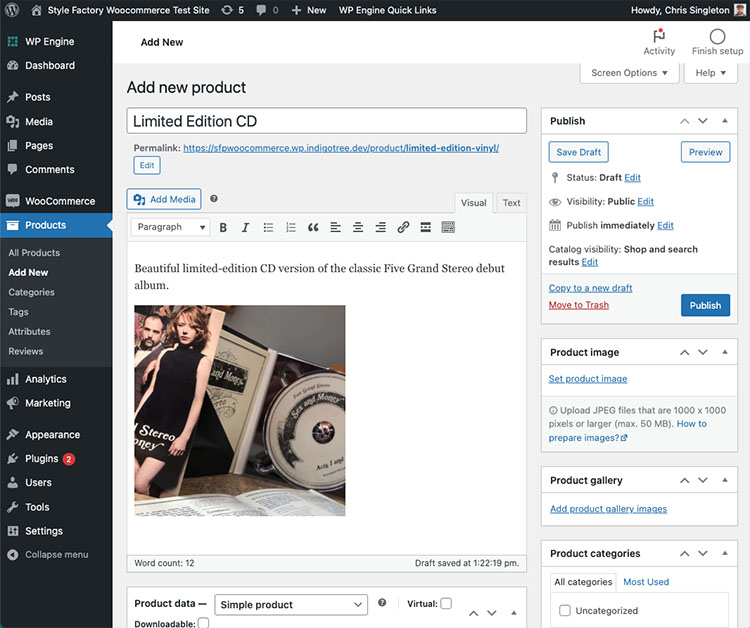
WordPress is a market leader when it comes to online publishing: it gives you much better blogging tools, more flexible post categorization, and greater control over site structure and technical SEO than Shopify.
All this can be invaluable if the main way you intend to grow your store’s audience is through content marketing.
4. There are far more themes and plugins available for WooCommerce
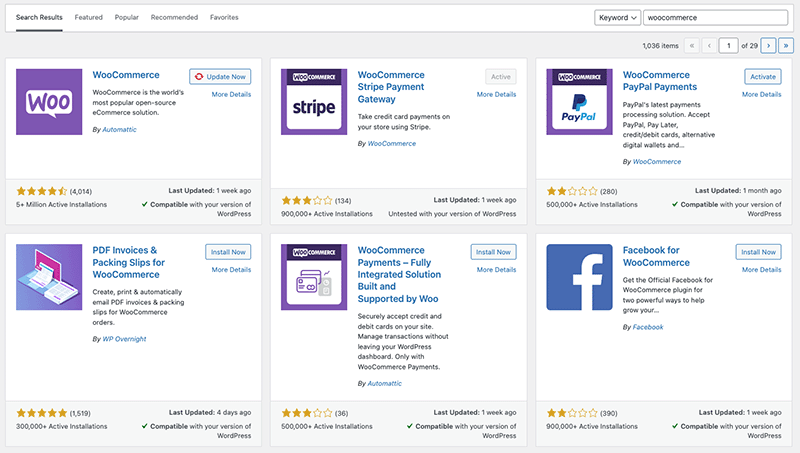
There are thousands of plugins and themes available for WooCommerce and WordPress — and many of them are free.
But the number of free Shopify templates is very small: there are just 24 free themes bundled with the platform, and its premium ones can be very expensive.
And, although a wide range of add-ons are available for Shopify, using them often involves fairly high monthly fees.
5. WooCommerce gives you unlimited user accounts
Shopify places very strict caps on the number of staff accounts you can have — you are limited to just one user account on its ‘Starter’ and ‘Basic’ plans. If you need more seats, Shopify immediately forces you onto a fairly pricey “Grow” plan.
With WordPress and WooCommerce, there are no seat limits to worry about at all — and this makes it a more affordable option for any organization that needs to provide access to multiple site editors.
Reasons to use Shopify over WooCommerce
1. Shopify is much easier to use
Using WooCommerce can often involve quite a lot of technical work — for example WordPress installs, plugins, software updates, and PCI compliance checks.
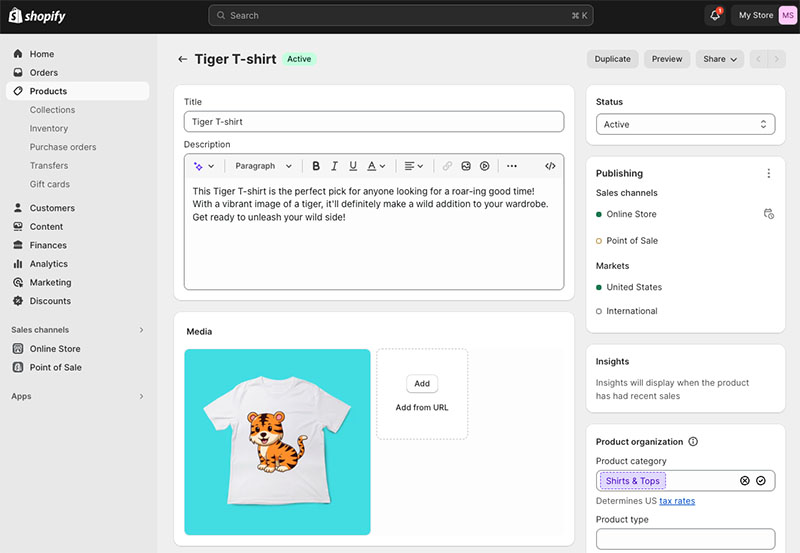
You don’t have to worry about any of that with Shopify. Themes, payments, reporting, hosting — everything’s included and ready to use out of the box. And the user interface is designed with beginners very much in mind.
All this means you can get a store live much faster with Shopify.
2. With Shopify, site maintenance isn’t your problem
If you run a WordPress-based store, you have to regularly perform software updates to ensure that your site remains secure.
By contrast, Shopify takes care of this kind of work on your behalf, saving you time and reducing the risk of your store getting hacked.

3. Shopify gives you built-in point-of-sale tools
Point of Sale features let you sell products in a physical location — for example a retail outlet, market stall, a pop-up shop, etc. They’re vital to ‘hybrid’ sellers — merchants that combine online and offline selling.
Shopify gives you access to a built-in solution, ‘Shopify POS’, and a dedicated point-of-sale hardware store too.

But with WooCommerce, point-of-sale always involves finding a suitable plugin and working with third-party services.
4. Shopify is better for dropshipping
Dropshipping is a way of selling goods where you don’t manufacture, buy, store or deliver any products. Instead, you take orders for products via your online store, and pass them onto a dropshipping supplier. The supplier then ships the goods to the customer and charges you a fee for doing so.
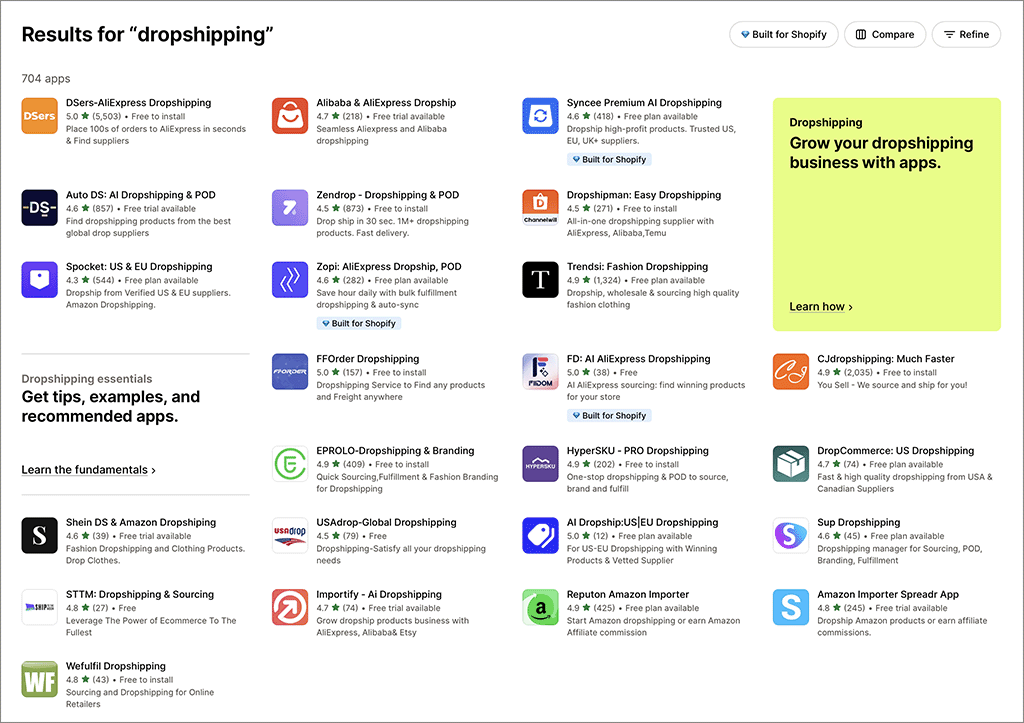
Shopify is a much better solution for dropshipping than WooCommerce — there are far more dropshipping and print-on-demand apps available for the platform, and a lot more support resources to help you with this method of selling too.
5. Shopify gives you abandoned cart recovery and email marketing tools
Shopify makes it easy to recover lost sales using a built-in abandoned cart recovery feature. This lets you identify customers who didn’t complete a purchase, and automatically email them with an encouragement to do so.
Shopify also gives you a free email marketing app, “Shopify Messaging,” that integrates directly with your store. You can use this to send up to 10,000 emails per month for free, and automate a lot of your marketing communications.
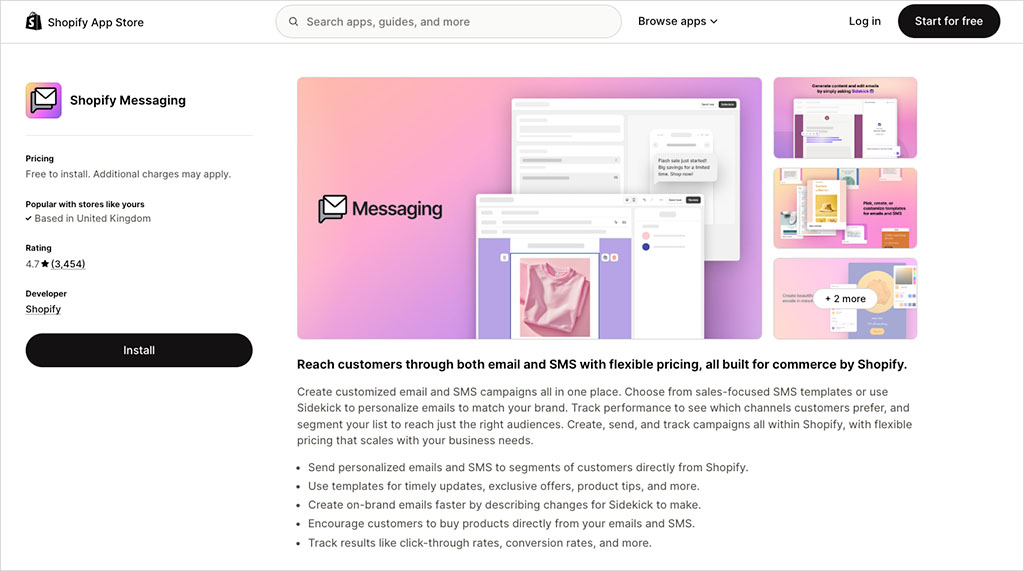
With WooCommerce, you’ll usually need separate plugins or expensive third-party tools to get similar functionality.

User reviews
So far in this comparison you’ve heard my take on WooCommerce vs Shopify. To give you a sense of the broader user reaction to both platforms, I collated some ratings data from popular software review sites — you’ll find this below. As you can see, both solutions receive generally good user feedback, with Shopify having a slight edge over WooCommerce overall.
| Review site | WooCommerce ratings (out of 5) | Shopify ratings (out of 5) |
| Capterra | 4.5 | 4.5 |
| G2 | 4.4 | 4.5 |
| TrustRadius | 4.0 | 4.4 |
| Average user rating | 4.30 | 4.46 |
Shopify pricing
Plan
Pricing per month (USD)
Starter
$39
Basic
$105
Advanced
$399
Shopify Plus
From $2,300/mo
You can watch the video below to get a sense of which Shopify plan might work best for you.

WooCommerce vs Shopify: the verdict
Ultimately the WooCommerce vs Shopify decision doesn’t really boil down to features. Both platforms can be used to power professional, successful ecommerce businesses.
The deciding factor is whether you value maximum control or simple scalability.
If you want deep customization; full say over your server setup; content marketing flexibility; and complete control over technical SEO, then WooCommerce will be the better choice for you. But you have to remember that you’ll be responsible for managing everything, and you may find yourself needing developer support.
If you want simplicity, lower technical risk, managed site updates and a speedy setup, you’ll find Shopify to be the better option — especially if you’re new to ecommerce.
Of course one of the best ways to find out which platform is right for you is to try them both out — and you’ll find links to both below.
Alternatives to WooCommerce and Shopify
There are lots of alternatives to WooCommerce and Shopify available — some of the key ones to consider are:
- Squarespace
- Wix
- BigCommerce
- Big Cartel
- Adobe Commerce
- Prestashop
- OpenCart
- Ecwid
📖 Related resources:

Chris Singleton is the Founder and Director of Ecommercetrix.
Since graduating from Trinity College Dublin in 1999, Chris has advised many businesses on how to grow their operations via a strong online presence, and now he shares his experience and expertise through his articles on the Ecommercetrix website.
Chris started his career as a data analyst for Irish marketing company Precision Marketing Information; since then he has worked on digital projects for a wide range of well-known organizations including Cancer Research UK, Hackney Council, Data Ireland, and Prescription PR. He then went on to found the popular business apps review site Style Factory, followed by Ecommercetrix.
He is also the author of a book on SEO for beginners, Super Simple SEO.